Across the country, school districts increasingly are recognizing that healthy indoor environments are essential to student learning, staff well-being, and efficient school operations. Through the Go Green Initiative’s Indoor Air Quality (IAQ) and Greenhouse Gas (GHG) Reduction Capacity Building Program, 10 districts are working together to improve building performance, expand data-driven energy management, and embed healthy air practices across their schools.
These districts—from rural Montana to urban Massachusetts—represent the diversity of American public education. While their contexts differ, the districts share a commitment to creating healthier, more resilient learning environments. Their collective efforts show how strong governance, collaboration, and innovation can shape the future of school operations.
“Our cohort districts demonstrate that whether a district serves 50 students or 50,000, a strong school board can lead meaningful progress on indoor air quality, energy efficiency, and student health,” said Jill Buck, founder and CEO of the Go Green Initiative (GGI).
The following highlights the approaches and experiences of the 10 Cohort 1 school districts to measure and improve air quality and the health of their students and staff.
BOSTON PUBLIC SCHOOLS, MASSACHUSETTS
Boston Public Schools (BPS) has made IAQ a cornerstone of its districtwide operations. Already recognized as a national leader with air-quality monitors in every classroom across more than 120 schools, BPS joined the IAQ/GHG Program to further integrate energy efficiency into its existing IAQ practices. During the fall site visit, the GGI team worked alongside the BPS environmental team to refine the IAQ walkthrough process, adding new evaluation steps focused on reducing energy loss and strengthening ventilation performance.
The visit also included a tour of the newly rebuilt Carter School, designed for students with complex medical needs. Its advanced mechanical systems—UV disinfection, negative-pressure suites, and high-efficiency filtration—demonstrate BPS’s commitment to equity-centered, health-focused building design.
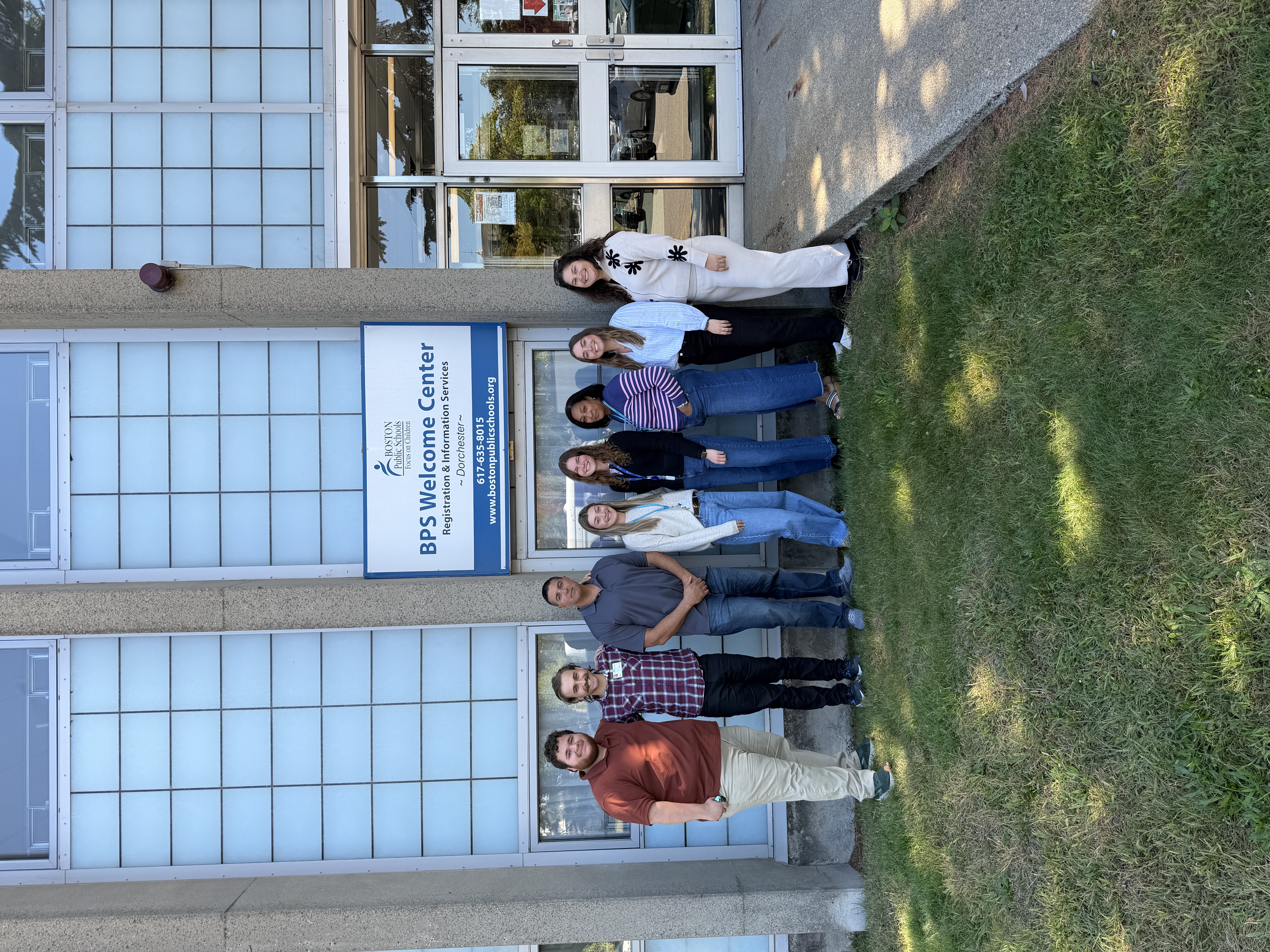 DURING A COHORT 1 SITE VISIT, GGI’S ANDREW KAMALI AND LAUREN LONDOÑO MET WITH MEMBERS OF BOSTON PUBLIC SCHOOLS SUSTAINABILITY, ENERGY, AND ENVIRONMENT TEAM.
PHOTO COURTESY OF GGi
“We view indoor air quality as an equity issue,” said Katherine Walsh, director of planning, engineering, sustainability and environment for BPS. “The air our students breathe should be as thoughtfully designed as their curriculum.”
By pairing innovative facility design with data-driven monitoring and staff training, BPS continues to set a national precedent for how large urban districts can sustain healthy, high-performing learning environments.
SALAMANCA CITY CENTRAL SCHOOL DISTRICT, NEW YORK Each morning, following the Pledge of Allegiance, Salamanca City Central School District students recite a land acknowledgement that recognizes the original stewards of the land, the Onöndowa’ga:’ or the People of the Great Hill, the Seneca People. Located on Seneca Nation Territory and serving both Native and non-Native students, Salamanca City Central exemplifies how environmental health and cultural values can reinforce one another, which is further represented by the celebration of the district’s 150th anniversary.
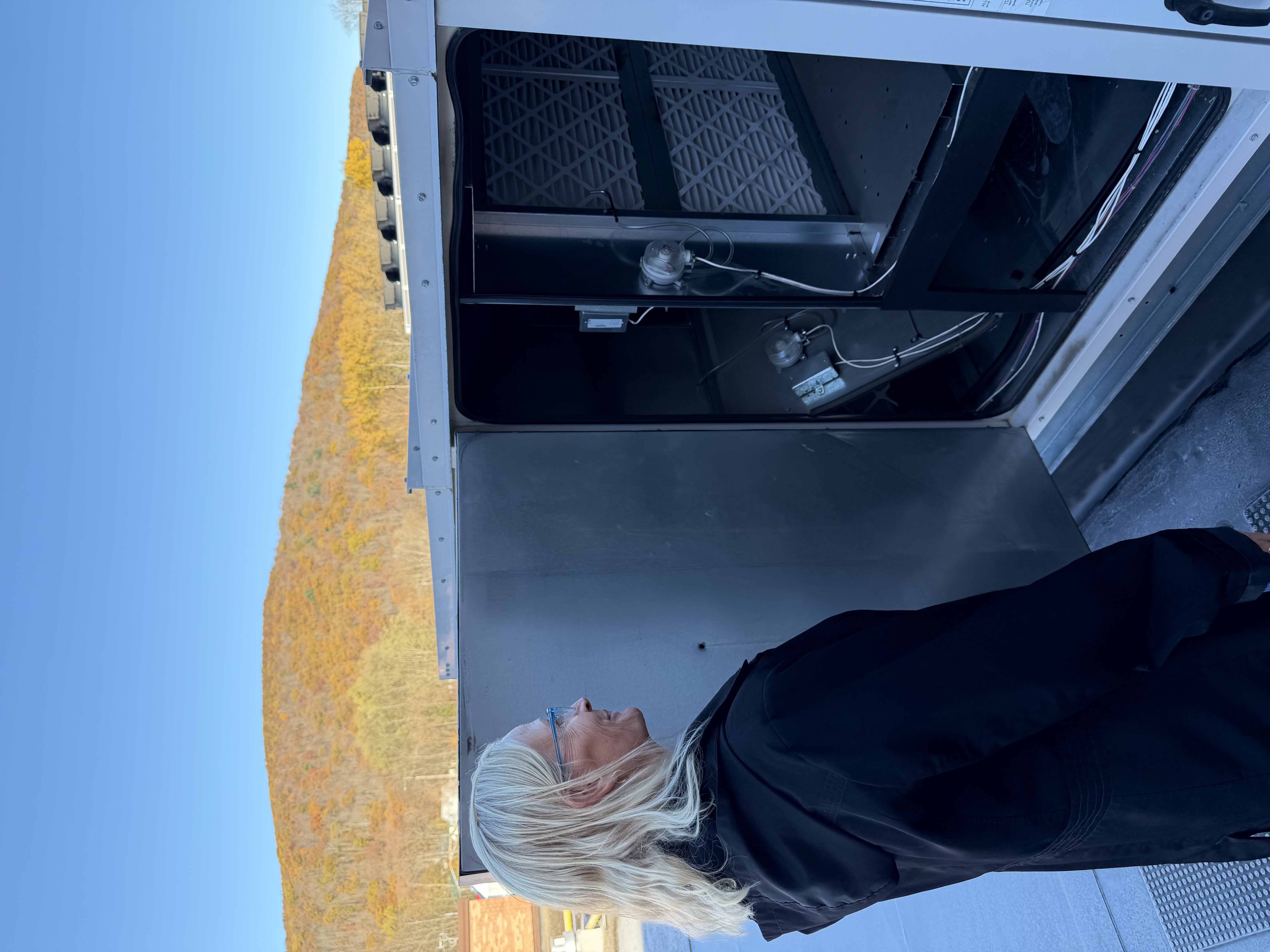 SALAMANCA CITY CENTRAL SCHOOL DISTRICT’S SANDI BRUNDAGE EXAMINES A PACKAGED ROOFTOP UNIT USED TO MONITOR INDOOR AIR QUALITY.
PHOTO COURTESY OF GGI
The district is working to align IAQ improvements and energy efficiency work to help maintain its spaces for generations to come. The work aligns with the traditional stewardship principle to make improvements that will benefit the next seven generations of indigenous students.
“The grant process to date highlighted gaps in our documented IAQ policies and procedures. The site visit was a learning experience about the numerous facets to indoor air quality,” said Sandi Brundage, grant administrator.
Salamanca’s work reflects how collaboration between school boards and tribal governments can advance equity, environmental justice, and student engagement.
ALEXANDRIA CITY PUBLIC SCHOOLS, VIRGINIA
Alexandria City Public Schools (ACPS) entered the cohort with an existing IAQ Management Plan and is now strengthening implementation under new departmental leadership. The district is updating the plan to include measurable goals, revised staff training, and clearer communication protocols, ensuring IAQ practices are carried out consistently across schools. ACPS is integrating IAQ and GHG data into improvement plans to connect building conditions with student health and learning outcomes.
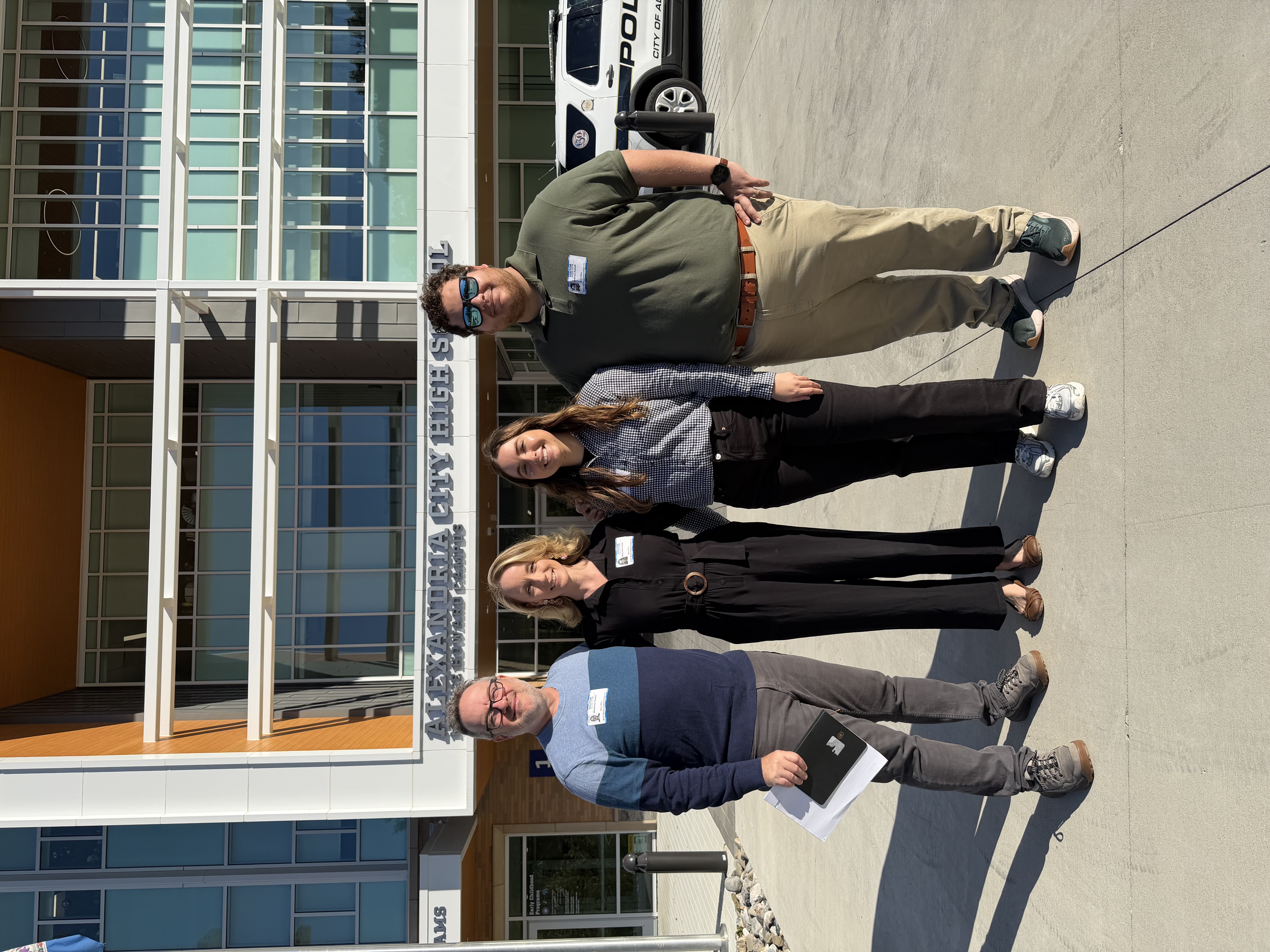 LONDOÑO AND KAMALI MET WITH MATTHEW HEISTER, EPA PROJECT OFFICER, AND AMY HAMMERLE WITH SUSTAINABLE SCHOOLING DURING THEIR SITE VISIT TO ALEXANDRIA CITY PUBLIC SCHOOLS.
PHOTO COURTESY OF GGI
The three-day team visit reinforced the value of this partnership and a shared commitment to improving indoor environments for students and staff, according to the district IAQ team.
Through strong leadership and continuous improvement, Alexandria is turning policy into a living management system that supports healthier, more resilient schools.
BIBB COUNTY SCHOOL DISTRICT, GEORGIA
Bibb County School District is building on its strong energy management record—supported by a long-standing partnership with Cenergistic and multiple ENERGY STAR®-certified schools—to strengthen IAQ. Using IAQ monitors, walkthrough tools, and data analysis, the district is developing an IAQ Management Plan that aligns with its energy efficiency goals and supports healthier classrooms.
“Through our work with the GGI, we’re making sure every classroom is safe, efficient, and truly ready to learn today and for years to come,” said Antonio Simmons, director of facilities and maintenance.
With many buildings over 40 years old, Bibb County is using data, policy, and partnerships to modernize facilities in ways that prioritize student health and long-term sustainability.
EAST ST. LOUIS SCHOOL DISTRICT 189, ILLINOIS
In East St. Louis, improving indoor environments is part of a broader story of renewal. Years of underinvestment left many school facilities in disrepair, but the district is now channeling federal and state funds into HVAC modernization, air-quality monitoring, and building automation upgrades. Working with the GGI, district leaders are training staff to use IAQ and energy data to guide maintenance decisions and inform the school board’s long-term facilities planning.
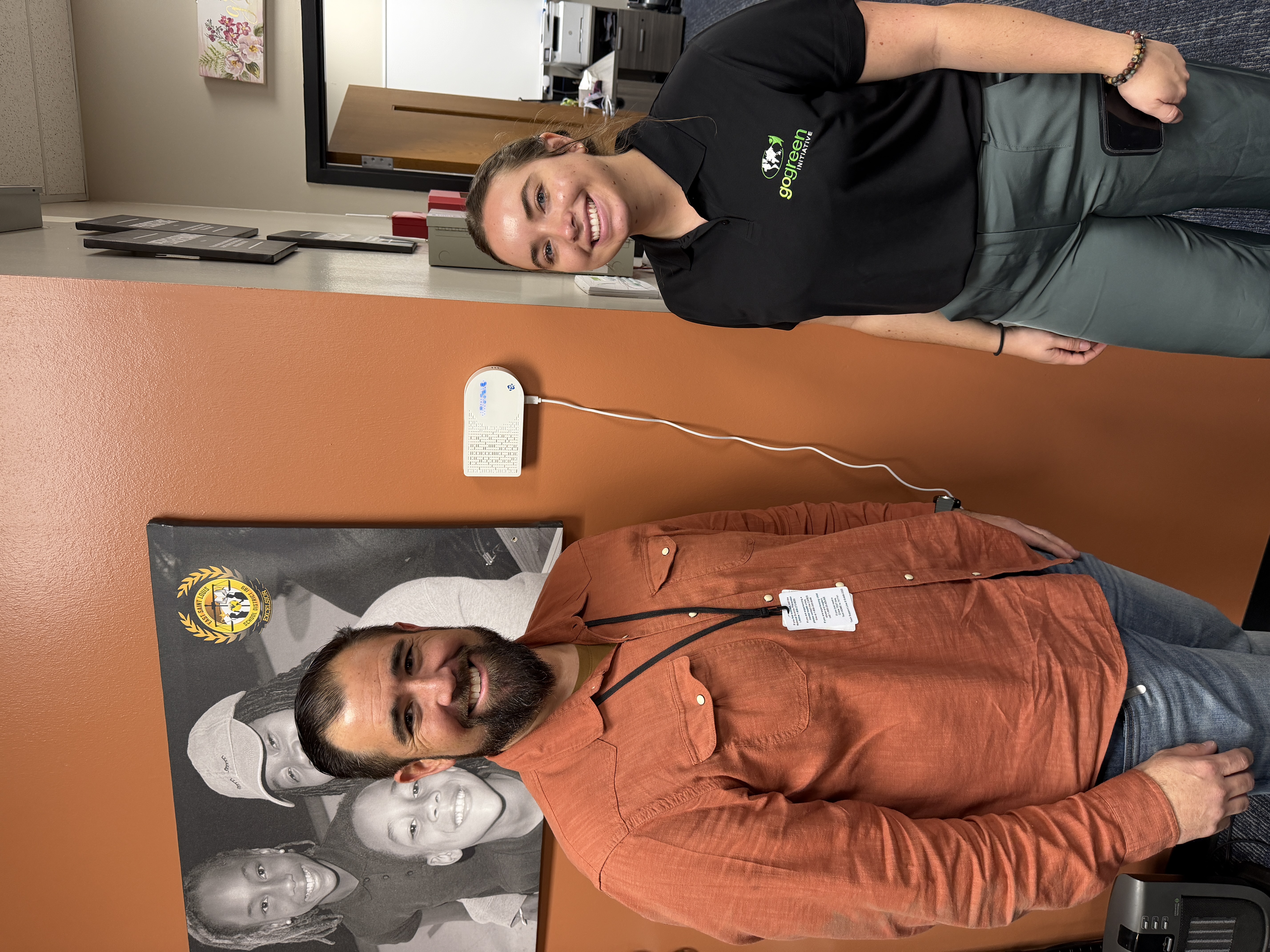 JOSEPH HASKELL, DIRECTOR OF MAINTENANCE, OPERATIONS, AND RISK MANAGEMENT FOR EAST ST. LOUIS SCHOOL DISTRICT 189 AND GGI’S LAUREN LONDOÑO.
PHOTO COURTESY OF GGI
“At East St. Louis School District 189, we’re treating indoor air quality not just as a technical upgrade, but as a fundamental component of a healthy learning environment,” said Joseph Haskell, director of maintenance, operations, and risk management.
East St. Louis’ progress underscores the link between environmental quality, equity, and community confidence. It shows how school boards and districts can lead systemic improvement through transparent, data-based action.
TORNILLO INDEPENDENT SCHOOL DISTRICT, TEXAS
Located in rural West Texas near El Paso, Tornillo ISD is integrating IAQ work into its broader mission of supporting the whole student. The district is guided by its commitment to empowering students to “live their purpose” and to a vision of collective achievement. It is strengthening ventilation practices, preventive maintenance routines, and IAQ awareness across its campuses.
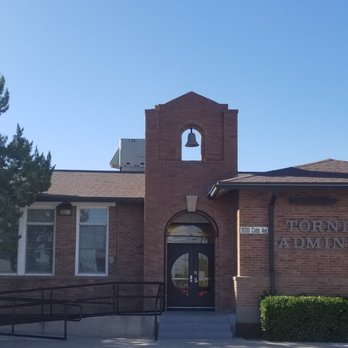 STRENGTHENING IAQ PRACTICES IS TIED TO THE TORNILLO INDEPENDENT SCHOOL DISTRICT'S BROADER MISSION OF SUPPORTING THE WHOLE STUDENT.
PHOTO COURTESY OF TORNILLO INDEPENDENT SCHOOL DISTRICT
This work reflects the district’s belief that healthy learning environments are foundational to student well-being, pride, and long-term success. Tornillo’s approach demonstrates how environmental stewardship and community values can work together to create schools where students and staff can thrive.
NORTH DAVIESS R-III SCHOOL DISTRICT, MISSOURI
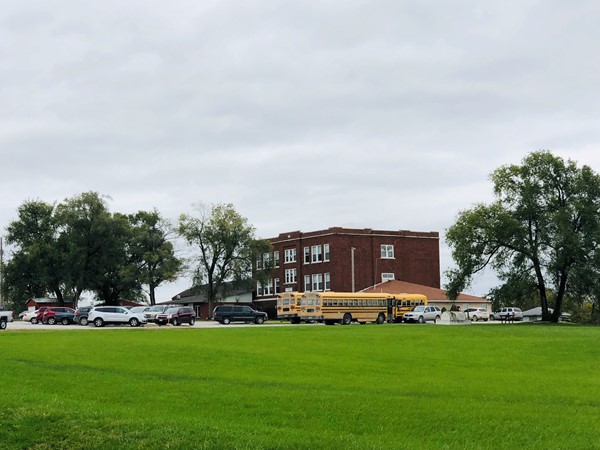 THE NORTH DAVIESS R-III SCHOOL DISTRICT IS IDENTIFYING LOW-COST, HIGH-IMPACT IAQ IMPROVEMENTS.
PHOTO COURTESY OF NORTH DAVIESS R-III SCHOOL DISTRICT
For North Daviess, a small rural district in northern Missouri operating a single school building, improving IAQ represents both a challenge and an opportunity. Limited staffing and aging infrastructure require creative solutions and strong board involvement.
Using the cohort’s IAQ walkthrough tool and GGI technical support, North Daviess can identify low-cost, high-impact improvements to create better airflow and increase ventilation in key spaces. The district’s work exemplifies how proactive decision-making can empower even the smallest districts to meet national standards for health and safety.
ARLEE JOINT SCHOOL DISTRICT, MONTANA
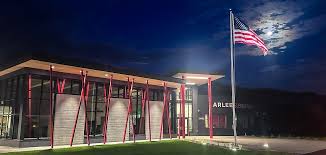 THE ARLEE JOINT SCHOOL DISTRICT IS ENGAGING STUDENTS, STAFF, AND DISTRICT LEADERSHIP IN DRIVING ENVIRONMENTAL IMPROVEMENTS.
PHOTO COURTESY OF ARLEE JOINT SCHOOL DISTRICT
In rural western Montana, Arlee is improving IAQ through meaningful student involvement. IAQ Coordinator and high school teacher Bonnie White has integrated the district’s Clean IAQ and GHG Reduction work into her environmental science course, where students are helping collect air quality and energy data to examine how ventilation systems affect their learning environment. These hands-on experiences turn classrooms into living laboratories, fostering scientific curiosity and shared responsibility for healthy schools.
“Arlee Joint School District is committed to proactively addressing indoor air quality. By engaging students, staff, and district leadership in monitoring, maintenance, and communication, we are building systems that support consistently healthy learning environments where students and staff can thrive,” says White, who teaches math and science.
Arlee’s model shows how student leadership, supported by district commitment, can drive lasting environmental improvements.
STANDARD SCHOOL DISTRICT, CALIFORNIA
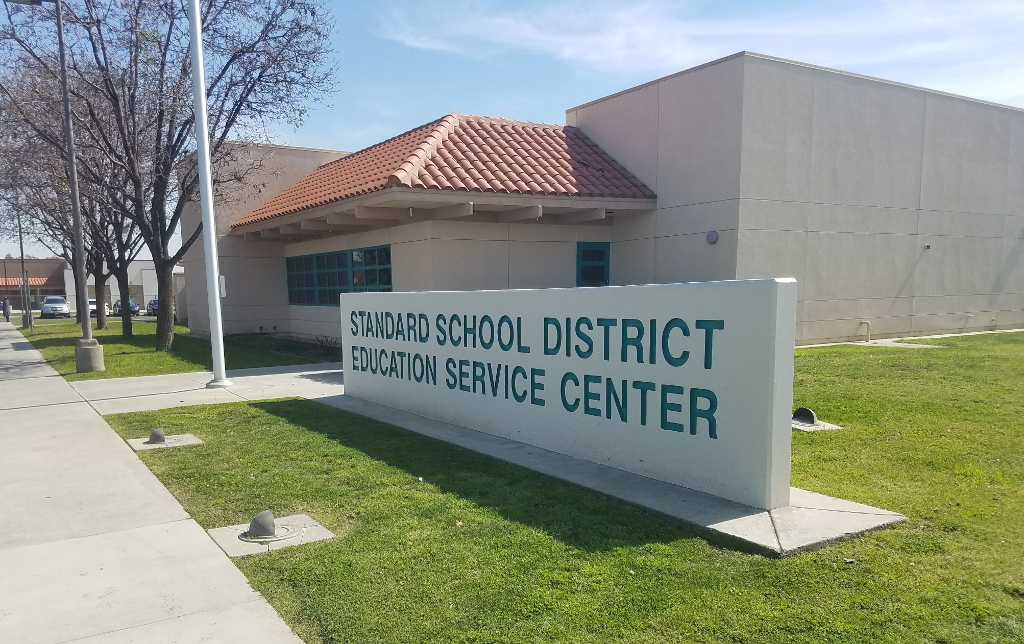 WILDFIRE SMOKE, DUST, AND EXTREME HEAT PRESENT FREQUENT IAQ CHALLENGES FOR THE STANDARD SCHOOL DISTRICT IN BAKERSFIELD, CALIFORNIA.
PHOTO COURTESY OF THE STANDARD SCHOOL DISTRICT
In Bakersfield, California, where wildfire smoke, dust, and extreme heat are frequent challenges, Standard School District has made IAQ a daily priority. Through its IAQ and Energy Efficiency Program with GGI, the district uses preventive maintenance, real-time monitoring, HEPA filtration during smoke events, and regular HVAC inspections to maintain healthy learning environments.
“It’s been rewarding to see staff and students engage in the importance of clean air and sustainability,” said Chris Jeske, district director of maintenance, operations, and transportation.
Standard’s approach shows how districts in high-risk air-quality regions can use data and operations planning to protect student health and strengthen resilience.
DUFUR SCHOOL DISTRICT, OREGON
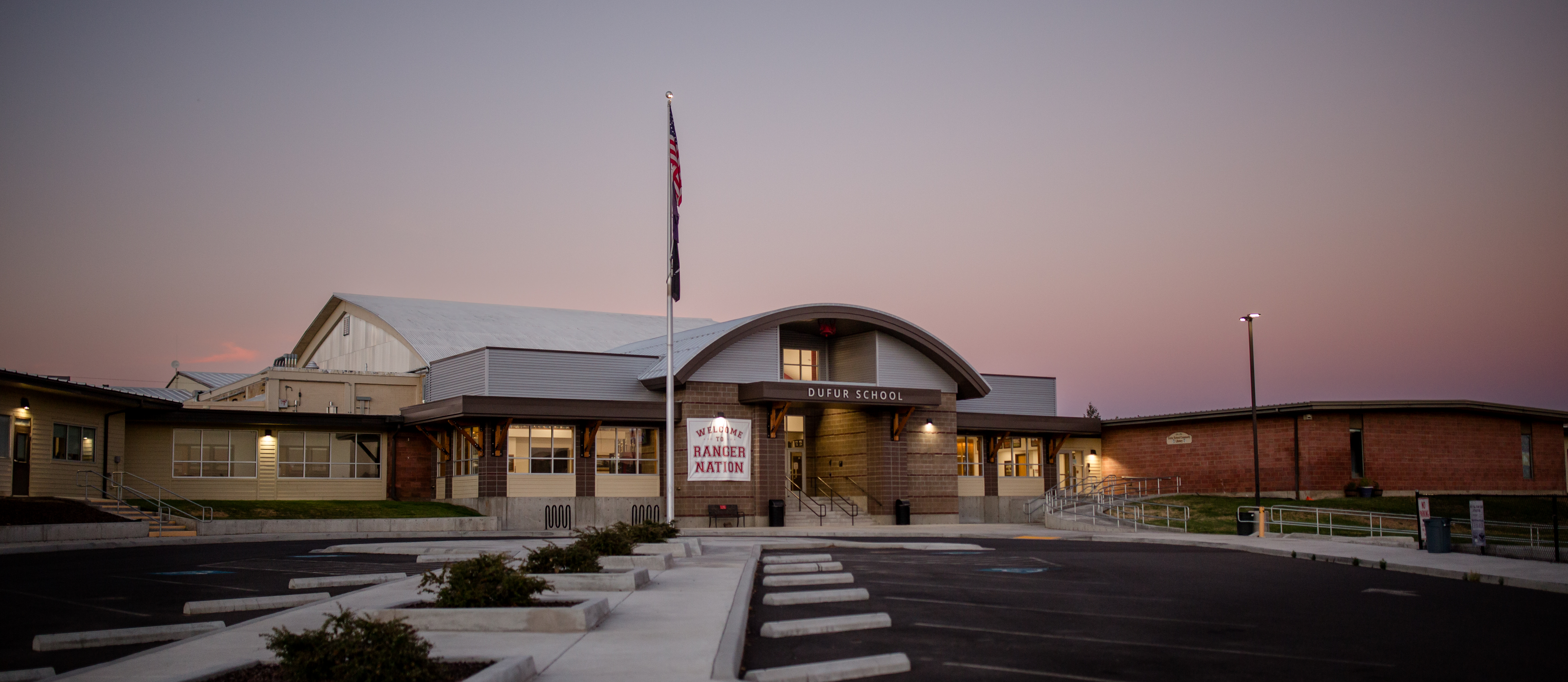 IN OREGON, DUFUR SCHOOL DISTRICT 29’S APPROACH TO CONDUCTING ANNUAL IAQ ASSESSMENTS MAY OFFER A MODEL FOR OTHER SMALL RURAL DISTRICTS.
PHOTO COURTESY OF DUFUR SCHOOL DISTRICT
Oregon law requires every district to conduct annual IAQ assessments—an important accountability measure that can be challenging for smaller systems. GGI and NSBA have developed a national database of IAQ policies.
By partnering with GGI and using the national database, Dufur is working to streamline its compliance process into a practical management tool that doubles as a mechanism to comply with state regulations. They are tracking data from building inspections to analyze how ventilation and humidity affect classroom comfort and performance.
“This supportive program is giving our small district that often lacks in support and resources the structure and support to assess and improve the health of our learning environments in tangible ways,” said Principal Kristin Whitely.
Dufur’s approach offers a model for other small rural districts navigating similar mandates—demonstrating how compliance can drive innovation rather than restrict it.
A NATIONAL MODEL FOR SCHOOL BOARDS
The cohort’s efforts are supported by the U.S. Environmental Protection Agency’s Indoor Air Quality and Greenhouse Gas Reduction Grant, which funds technical assistance, training, and policy development for participating districts. Together, these systems serve tens of thousands of students and staff members in environments that are becoming safer, healthier, and more efficient every day. This work is about institutionalizing good practice, according to GGI. The goal is not just to measure air quality but to help districts build systems and processes that sustain it.
As districts continue to benchmark energy use through ENERGY STAR® Portfolio Manager® and implement IAQ management plans, their work will inform national best practices for governance, facilities management, and student wellness.
For NSBA members and affiliates and districts across the country, the message is clear: The school board’s role in environmental leadership is both strategic and achievable. When policy, training, and community engagement align, healthier schools follow.
Andrew Kamali (andrewkamali@gogreeninitiative.org) is the GGI program manager, and Lauren Londoño (laurenlondono@gogreeninitiative.org) is the GGI program coordinator for IAQ Capacity Building.