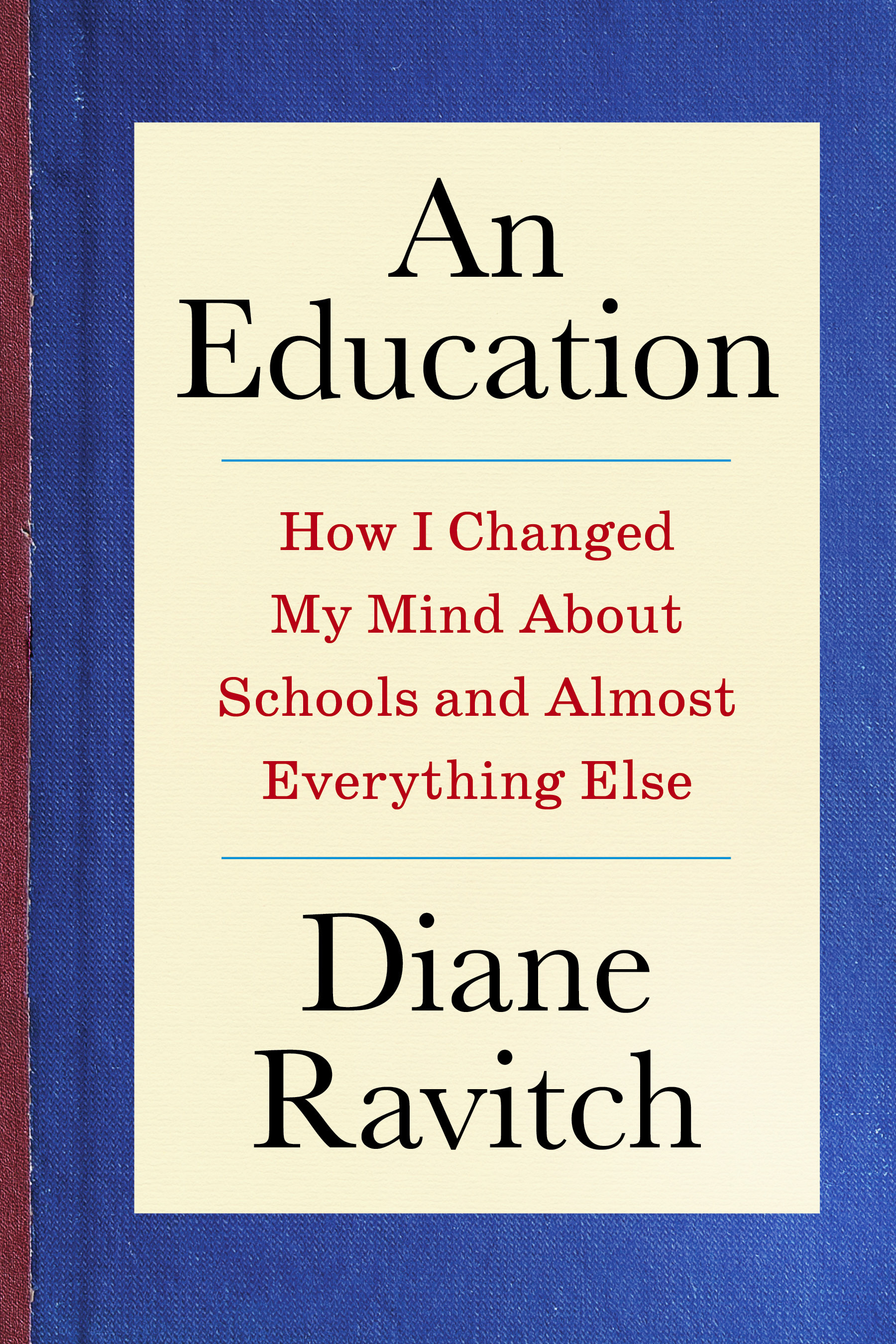
In 2010, education policy historian and commentator Diane Ravitch famously shifted from supporting privatization and high-stakes testing to advocating for public schools. In her new book, An Education: How I Changed My Mind About Schools and Almost Everything Else, Ravitch explains her evolution and shares her ideas on what is needed to provide all American schoolchildren with the education they deserve. In an interview with ASBJ, she offered advice to school board members as they work to support public education.
March 23, 2026
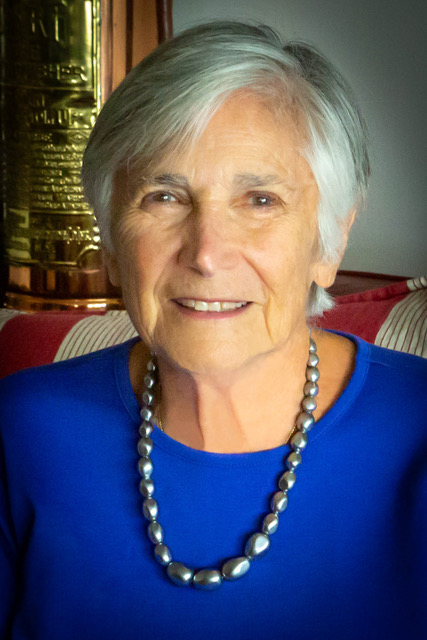 HISTORIAN AND ADVOCATE DIANE RAVITCH IS COFOUNDER AND
PRESIDENT OF THE NETWORK FOR PUBLIC EDUCATION.
PHOTO CREDIT: JOYCE CULVER
In his review of Diane Ravitch’s new book, An Education: How I Changed My Mind About Schools and Almost Everything Else, Forbes contributor Peter Greene wrote, “Diane Ravitch is one of the biggest turncoats in education policy history, and American education is better for it.”
Historian, researcher, and writer, Ravitch was a formidable champion of school choice (including vouchers), charter schools, national standards, and high-stakes standardized testing during the 1980s and 90s. Her deep knowledge of the complexities of education policy, as well as her ability to analyze its complexities, made her a sought-after advisor to politicians. She served as Assistant Secretary of Education in the George H.W. Bush administration and as a Clinton administration appointee.
In 2010, she famously pivoted from her support of privatization and high-stakes testing, becoming an advocate for public schools.
This change of heart may have seemed abrupt to the education community at the time. However, in An Education, Ravitch recounts the events, experiences, and factors that were part of that decision.
Ravitch is the author of 15 books and more than 500 articles, reviews, and commentaries. She started her widely read and well-regarded blog in 2012, which, in 2025, had received more than 36 million page views.
ASBJ recently sent the following questions to Ravitch, which she graciously answered:
Your book highlights the moral and democratic purposes of public education. In today’s polarized climate, how can communities reclaim a shared vision of public schools as civic institutions rather than ideological battlegrounds?
Most parents understand that public schools are an essential part of their community. That explains why most parents continue to send their children to public schools, not religious schools, charter schools, or private schools. They have seen that charter schools open and close with frequency. They don’t want their children to attend religious schools; they know that teaching religious values is a private matter.
Most vouchers are claimed by families who already sent their children to private or religious schools. The vouchers are subsidies for the affluent.
Public school parents are still the vast majority. They surely realize that public schools are being defunded to pay the tuition of rich kids. They must organize and defeat the legislators who are undermining public schools that serve the vast majority of students.
Many board members face organized advocacy groups, consultants, or state mandates that push policies misaligned with local needs. What guidance would you offer to school boards trying to balance democratic governance, professional expertise, and community trust while resisting harmful top-down reforms?
Local boards must discuss with other local boards how to preserve democratic governance of their schools. They may not agree on what their own community wants, but they will surely agree that pressure groups and state mandates should not replace their own judgment.
You write candidly about your earlier support for standards, testing, and accountability reforms that you later came to oppose. How do you now think educators, policymakers, and scholars should respond when evidence contradicts their deeply held beliefs or long-advocated reforms?
It’s been very surprising to me to see that federal and state policies continue to impose practices that have been repeatedly discredited. After nearly three decades of reliance on standards, testing, and accountability, we continue to be disappointed in the results. It’s time to think anew. It’s time to think about how to educate confident, happy children who are eager to learn and who come to school joyfully, instead of meeting a numerical goal that means nothing.
School boards are often under pressure to adopt “innovative” or market-driven reforms quickly. Based on your experience, what questions should board members ask before approving policies related to charters, testing, or accountability—especially when those reforms are heavily promoted but lightly evidenced?
It seems sometimes as if everyone has a solution to the problems of education, but most of them are either wrong or driven by the profit motive. School board members must be calm, patient, and skeptical. Keep their eyes on the basics: What is in the best interest of students? What is needed by teachers? What is the evidence for this program or product? Why do we need it?
The book weaves together your personal history with major shifts in American education policy. To what extent do you see your own intellectual evolution as reflective of broader ideological changes in the country—and where do you think the public conversation about education most decisively went wrong?
I was ahead of my time in supporting school choice.
I didn’t realize that school choice was grounded in segregationist ideas. I didn’t realize that school choice would be less effective than public schools. I didn’t realize that the “choice” belonged to the schools, not students or families.
I’m ahead of my time now in realizing that school choice policies are a very bad substitute for strong, well-funded, respected public schools.
I realize now that school choice means trading our community public schools for schools that have no standards for teachers or principals, and for religious schools that indoctrinate their students, and for fly-by-night charters whose owners are motivated by profit, not learning.
(This interview has been edited for length and clarity.)